

Pad printing matrices and plates
What pad printing matrices do we offer?
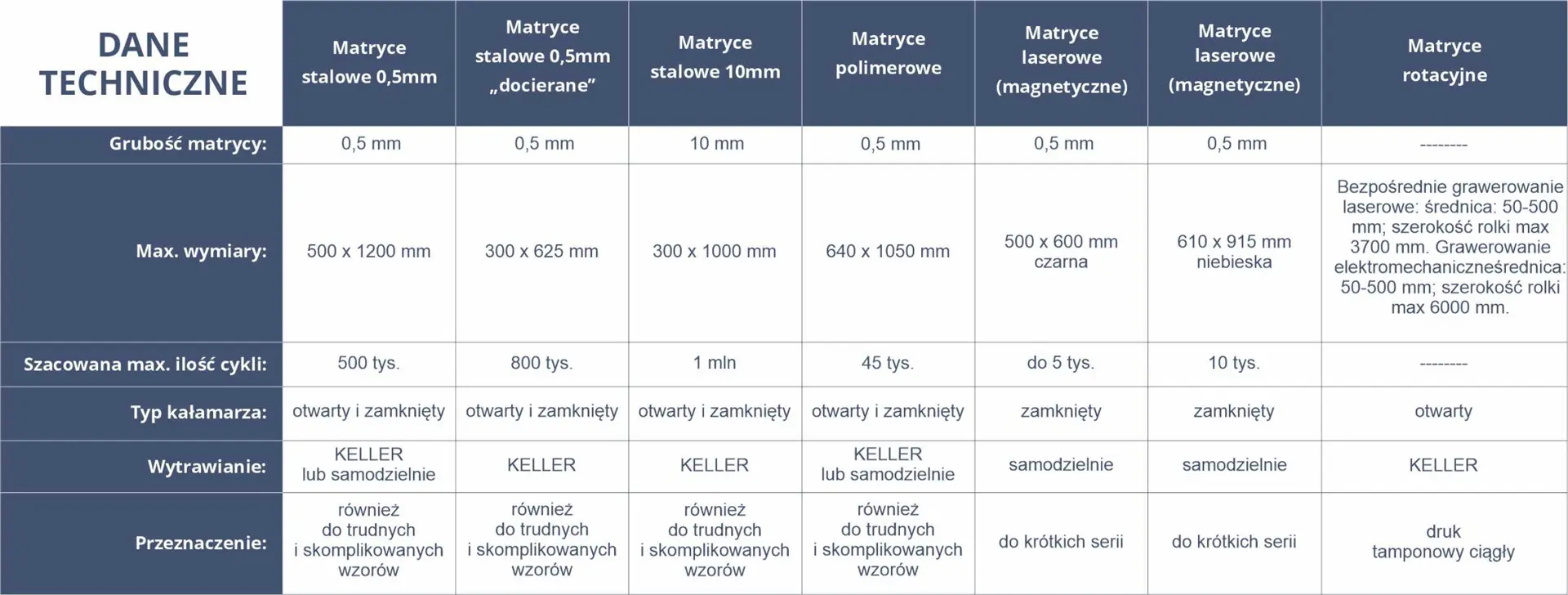
Keller offers various types of matrices and plates, selected to suit the requirements of a specific process:
- steel matrices,
- polymer matrices,
- laser matrices,
- rotary matrices,
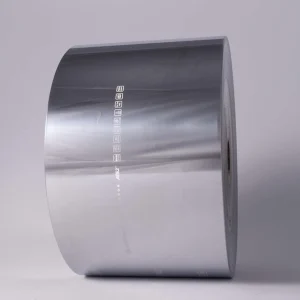
- printing cylinders for rotary pad printing,
- photosensitive films,
- matrices made to individual order.
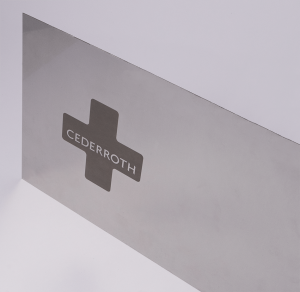
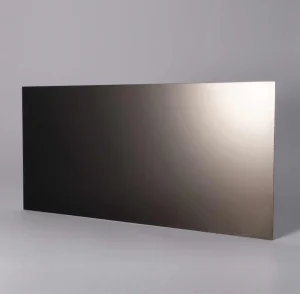
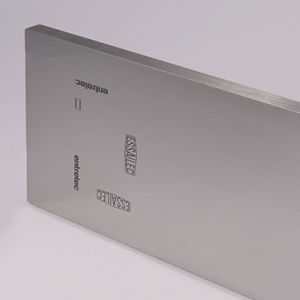
We offer photosensitive steel pad printing matrices from the Swiss company FROIDEVAUX, including the ECOPRINT series with an Ra 0,3 and RECOPRINT with an Ra 0,1. Double-sided versions and 0,3 mm thick plates are also available.
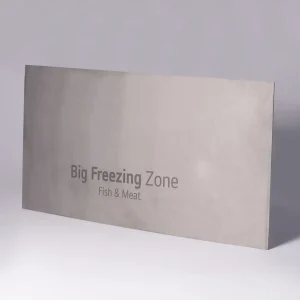
We also manufacture 10 mm thick steel dies, made from 12% chromium-alloyed steel. These are designed for precise, shallow-etched patterns. Upon request, we also produce 0,5 mm thick steel dies with a maximum size of 500 x 1200 mm.
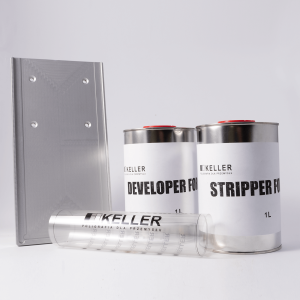
The offer also includes NYLOPRINT matrices, washable with alcohol, and printing cylinders for rotary pad printing with a diameter of 100 mm, along with accessories for transport and storage.
Pad printing matrices
The matrix, also known as the plate or printing plate, is responsible for transferring the design in the pad printing process. Its construction determines the sharpness of the print, the amount of ink used, and the repeatability of the impressions. Therefore, it's important to match the matrix not only to the design itself, but also to the machine, pad, ink, material, and type of detail.
At Keller, we manufacture pad printing dies for industrial production. They work with both Keller machines and other pad printer models available on the market. They can be used for printing on plastics, glass, metal, wood, and other surfaces used in product labeling.
NOTE: WE PROCESS THE FIRST ORDER WITHIN 48 HOURS
Preparation of plates and graphics
Keller can create not only the matrix itself but also prepare the file for production. We assist with graphic processing, film preparation, and matching the design to a specific detail.
For unusual shapes, it's also possible to remove the image from the product and prepare it for further production on a printing plate. This is useful when the client doesn't have a ready-made technological file or the design needs to be adapted to a specific surface.
What should you include in your matrix application form?
To select and price the matrix faster, it is worth sending the most specific information possible:
- type of pad printing machine,
- dimensions of the required matrix or film,
- type of material being printed,
- description of the detail and print surface,
- print size,
- number of colors,
- planned series size,
- a design file or a photo of the pattern,
- information on whether graphic preparation is required,
- photo of the detail if the surface is unusual.
If you're unsure which type of matrix is right for you, describe your process and provide available materials. Keller specialists will help you select a solution that best suits your machine, detail, design, and desired print quality.
The matrix as part of a stable pad printing process
A well-made matrix facilitates print quality maintenance and reduces production issues. This is especially important where precision, repeatability, and efficient machine changeovers are essential.
At Keller, we select matrices for a specific application, not just for the graphic file itself. This allows the printing plate to work better with the pad, ink, machine, and the printed part.