


Blog
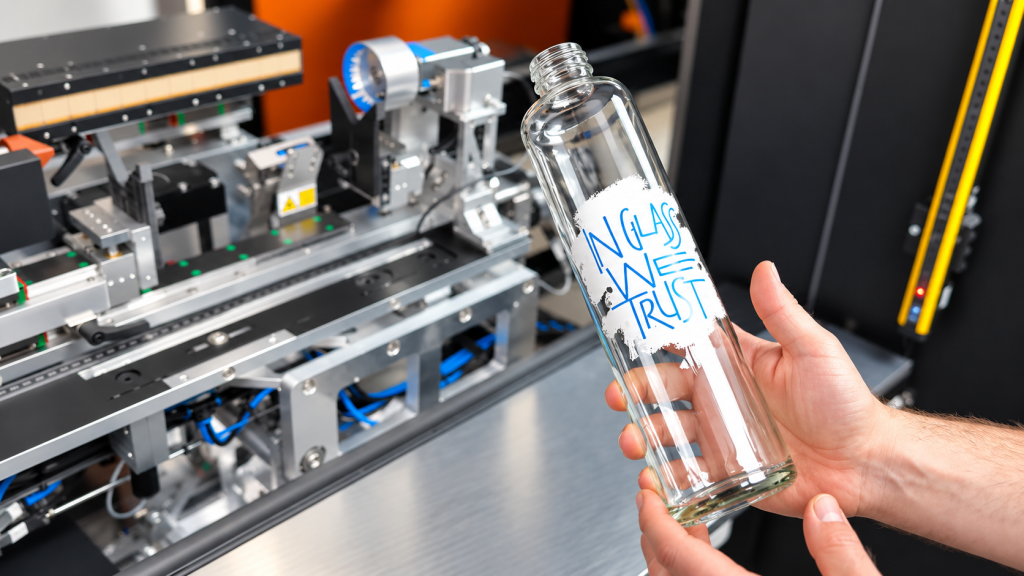
Food contact paint – how to choose it for glass, ceramics and metal?
Food paint may suggest an edible product, but in industrial printing it most often refers to paints and varnishes used...
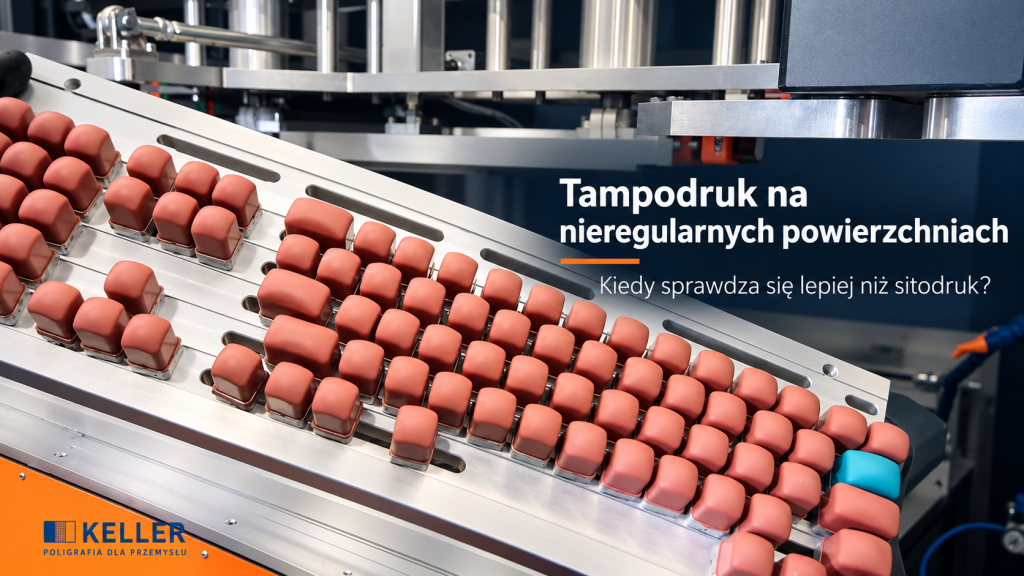
Pad printing on irregular surfaces. When does it work better than screen printing?
Not every detail has a flat, regular, and easily accessible surface. In industrial production, it's often necessary to apply logos, symbols,...
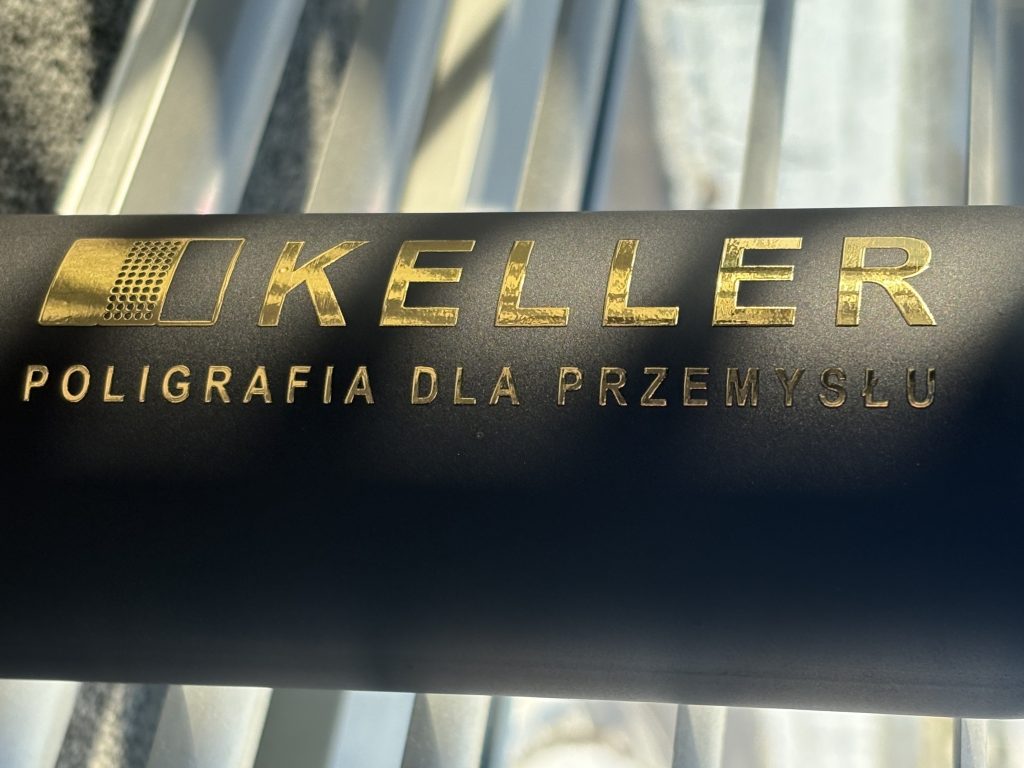
Hot stamping on packaging – what is this decoration and when is it worth using?
Hot stamping on packaging is a technology that allows you to combine product branding with a decorative effect. Most often,...
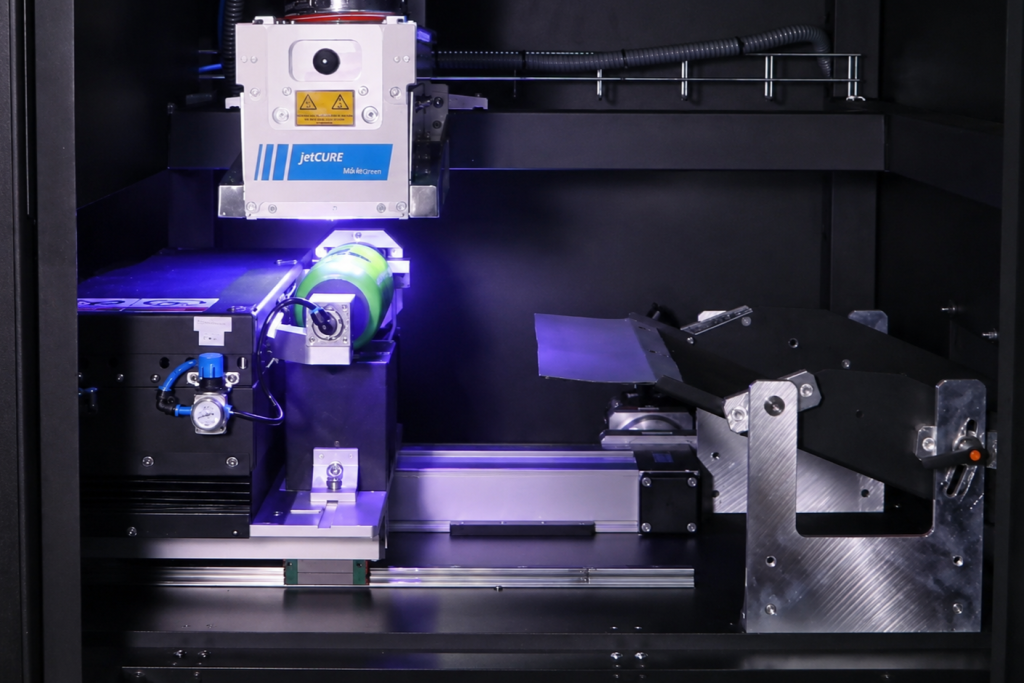
UV printing – what is it and how is it used in industrial printing?
UV printing is often associated with digital UV printers that apply special UV inks directly to the surface of the material...
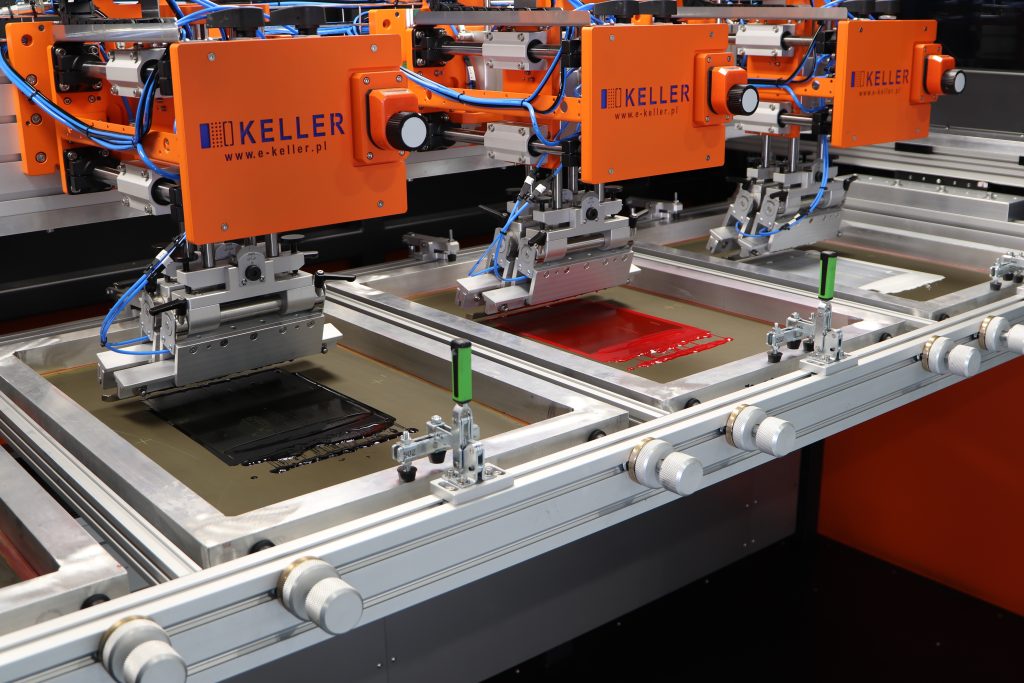
Multicolor printing in industry. What affects color matching and repeatability?
Multicolor printing in industrial production is not just about achieving an attractive visual effect. It's primarily...
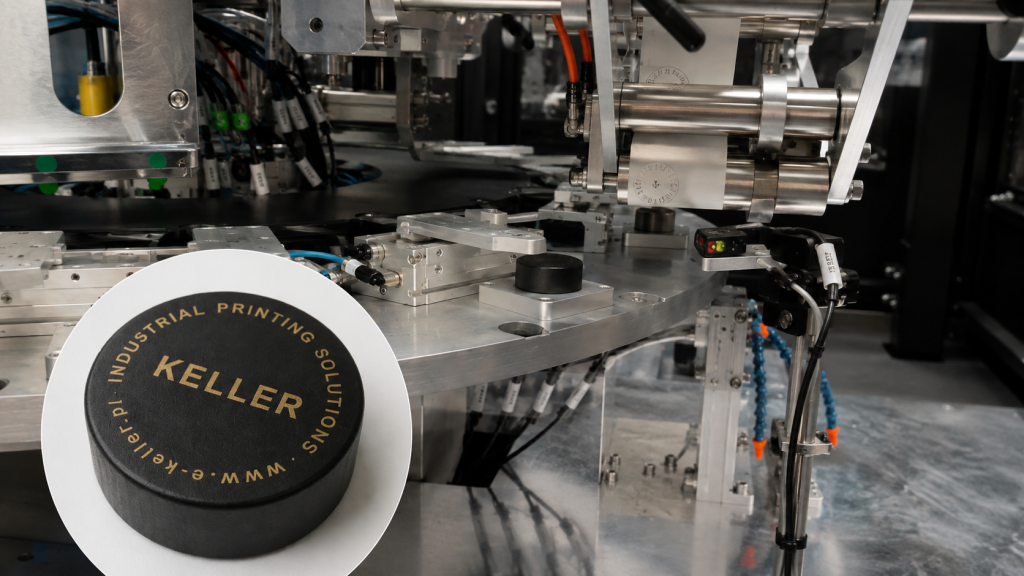
Printing on caps, overlays, and closures. Which technology should you choose?
Caps, crowns, stoppers, and overlays are small details, but their printing can be challenging. Surface area is often limited...

UV screen printing on glass – how does this technique work and why does it produce such a lasting effect?
UV screen printing on glass is a modern technology for decorating glass surfaces in which the paint is immediately hardened by light...

NON-CMR inks in industrial printing – safety, compliance with standards and the future of printing
NON-CMR inks in printing - a safer solution for people and the environment. Growing legal requirements, greater...

Tarpaulin printing – durable advertising prints on outdoor materials
Tarpaulin printing is a technology for applying durable graphics to PVC and polyethylene fabrics, used to produce banners...